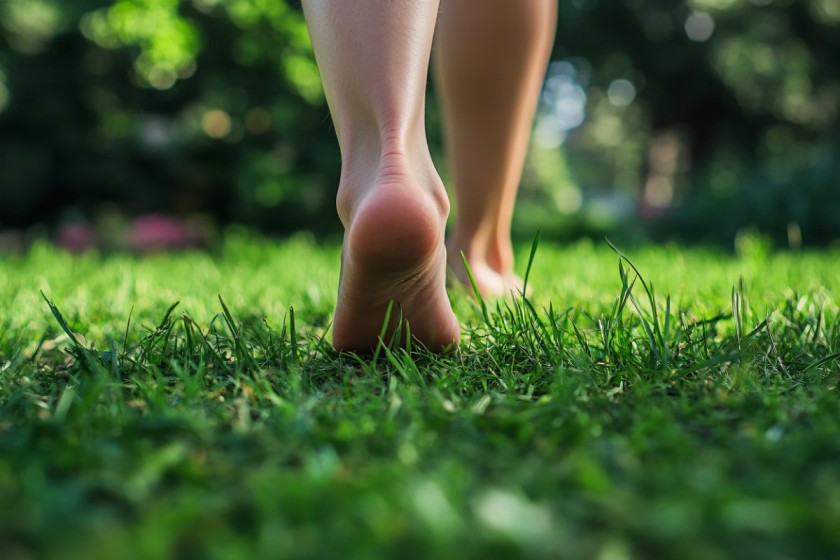
When Was the Last Time You Walked Barefoot on Dewy Grass?
When was the last time you let your bare feet sink into the morning dew, connecting directly with the Earth? In today’s modern lifestyle, we are constantly insulated from the natural world, shoed in synthetic-soled footwear, rushing between concrete buildings, and rarely taking time for unhurried nature walks. Our connection to the Earth is often reduced to fleeting moments, if any at all. Yet this very disconnect might be costing us more than we realize.
Why We Must Reconsider Our Relationship with the Ground
The modern world glorifies efficiency and convenience, but it often comes at the subtle expense of our health. Synthetic insulation beneath our feet separates us from the Earth’s gentle, ever-present electrical energy. Centuries of wisdom across cultures, from Ayurveda to European naturopathy, have recognized that physical contact with the ground nourishes and balances us. Now, cutting-edge scientific studies are confirming what tradition long understood: just 20 minutes a day of “grounding” or “earthing” may profoundly support our well-being.
The Science Behind Grounding: More Than Just a Walk in the Park
Grounding is more than a wellness fad, it’s a natural electrical process. When you touch bare earth, electrons from the ground surge into your body, neutralizing the excess free radicals that drive inflammation and oxidative stress. This basic act of “plugging in” has been shown to:
- Reduce systemic inflammation: A prominent study published in the Journal of Inflammation Research measured up to a 60% decrease in C-reactive protein (CRP), a key marker of inflammation, after regular grounding. Researchers found reductions of as much as 10–20% in other inflammatory cytokines as well.
- Lower blood pressure: In a clinical study tracking people with hypertension, participants who grounded themselves for at least 10 hours a day saw systolic blood pressure drop by 8.6–22.7%, with the average reduction over 14% and some able to decrease reliance on medication.
- Thin the blood and improve circulation: Just two hours of grounding reduced blood viscosity by 273%, making the blood more free-flowing and lowering the risk of blood clots, heart attacks, and strokes.
- Reduce anxiety, balance the nervous system, and improve sleep: Grounding instantly activates the parasympathetic (“rest and digest”) nervous system and boosts calming alpha brain waves. Human and animal studies show significant drops in stress hormones and anxiety markers, as well as normalized cortisol patterns and better, more restful sleep.
- Accelerate healing: Athletes and individuals recovering from injuries have found that grounding leads to faster tissue repair, less muscle soreness, and even accelerated wound healing in diabetic patients.
Liboo’s Prescription for Modern Wellness: 20 Minutes a Day
If you’re waiting for the “best time” to start grounding, the evidence suggests the answer is now. Studies consistently show that a minimum of 20 minutes per day is enough to start seeing measurable benefits, though longer sessions, up to an hour, can yield even better results. The key is to create a daily ritual: morning barefoot walks on wet grass, mindful moments with your hands in the garden, or a quiet sit on bare ground.
Tip: The most potent grounding occurs on moist, mineral-rich surfaces, fresh grass after rain, beach sand at the shoreline, or by swimming in open water. Urban dwellers can try grounding on unsealed concrete or explore high-quality grounding mats and sheets for indoor use.
Liboo (the liberated owl) recommends a list of Practical Grounding Techniques
Outdoor grounding methods (in order of effectiveness):
- Walk barefoot on wet grass - Ideal in morning dew or after rain; 20-60 minutes
- Walk along beach shoreline - Where wet sand meets water; 20-90 minutes
- Swim in natural water - Ocean, lake, or stream; 15-30 minutes
- Garden with bare hands - Direct soil contact while planting or weeding; 30-60 minutes
- Stand or walk on bare earth/soil - Moist soil preferred; 20-60 minutes
- Sit under a tree - With hands touching trunk or roots; 5-20 minutes
- Practice yoga or meditation outdoors - On grass or earth; 30-60 minutes
Safety Considerations and Best Practices
Safety tips for outdoor grounding:
- Avoid areas sprayed with pesticides or chemicals that could absorb through skin
- Ensure natural water sources are clean before swimming or wading
- Wait 72 hours after rain before entering ocean or lakes due to runoff contamination
- Be cautious of broken glass, sharp objects, or hazardous debris
Medical considerations:
- Individuals taking blood-thinning/ anticoagulant medications should consult physicians before beginning grounding.
- Those with pacemakers or other implanted electrical devices should consult healthcare providers before using indoor grounding products
Optimizing grounding effectiveness:
- Morning grounding may help set healthy circadian rhythms
- Evening grounding supports relaxation before sleep
- Wearing 100% natural fibre clothing (cotton, wool, linen) allows some grounding even when sitting
- Remove shoes with synthetic rubber soles; leather or conductive footwear allows partial grounding
- For indoor grounding, ensure proper electrical ground connection and follow product safety instructions
Your Wellness Challenge
As you scroll through your day, feet encased in shoes, mind racing with deadlines, consider what it might feel like to spend just 20 minutes grounded in nature. The invitation is simple: take off your shoes, step outside, and let the Earth do its quiet, restorative work.

Vineet Bhardwaj
Executive Coach & Founder - Liboo - Guide to your Growth & Wellness Journey