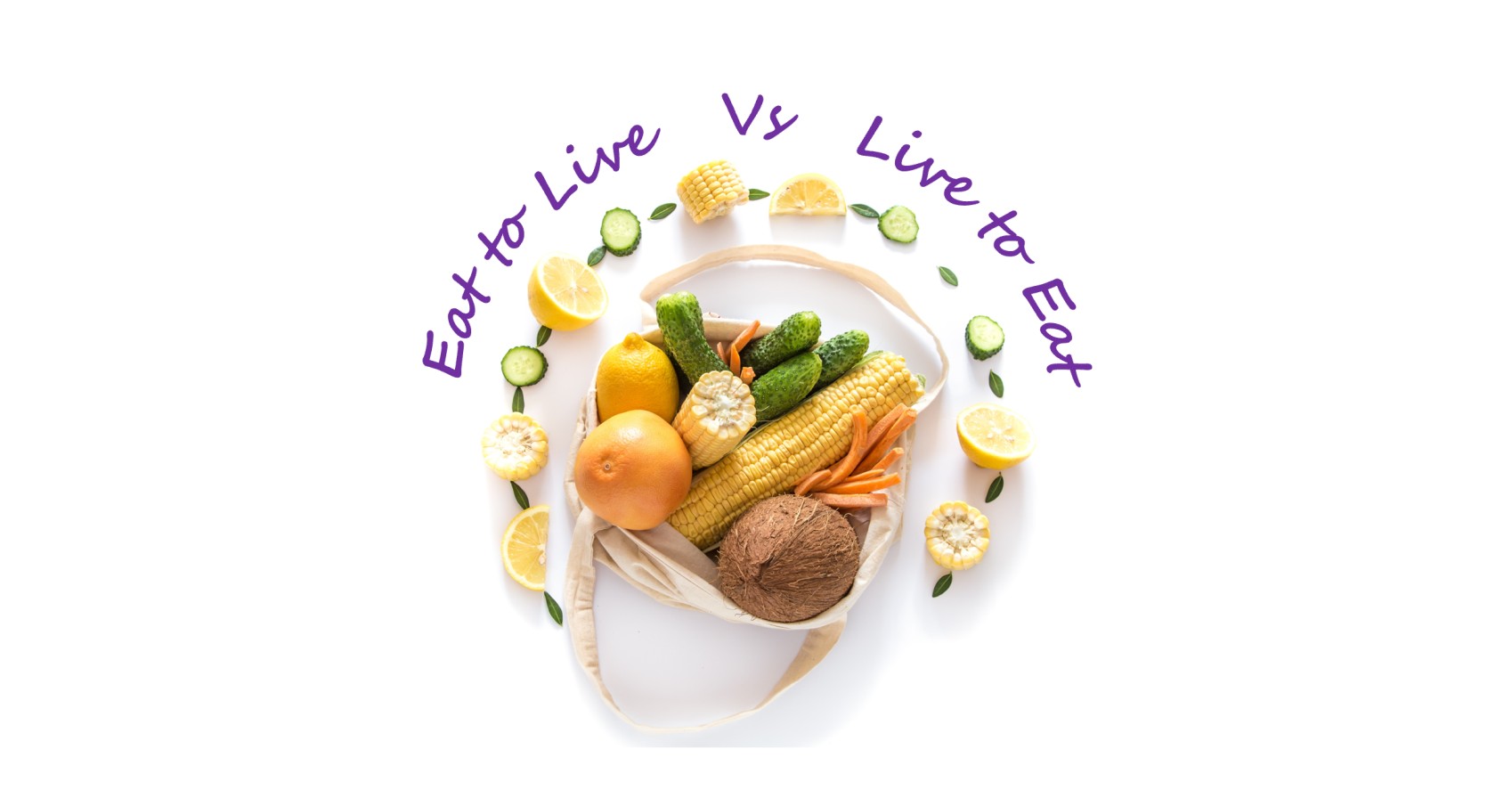
In the world of wellness, nutrition often gets divided into two opposing ideas: eating for health and eating for pleasure. As the old saying goes: eat to live and not live to eat. For years, people believed they had to choose between the two—either follow a strict diet full of “clean” foods or indulge without restraint. But modern nutrition science and psychology show that long-term wellbeing comes from a more realistic and sustainable approach: one where nutrition and enjoyment can—and should—coexist.
The Foundation of Eating Well
At its core, eating well means giving the body what it needs to function at its best. Food provides energy, supports immunity, fuels the brain, and helps maintain hormonal balance. But beyond the biological needs, food is also deeply emotional and cultural. We associate meals with memories, people, festivals, celebrations, comfort, and joy. In our country most of the festivals are associated with some special food or cuisines. When we acknowledge both sides, we begin to build a healthier, more respectful relationship with food—one that supports not just the body but the mind.
Nutrition: The Fuel Your Body Depends On
A nutrient-rich plate stabilizes blood sugar, improves digestion, strengthens immunity, and keeps energy levels steady throughout the day. Eating primarily whole foods—fruits, vegetables, whole grains, healthy fats, and lean proteins—provides carbohydrates, fat, proteins, vitamins, minerals, antioxidants, and fiber that the body needs for optimal health. But “eating for nutrition” should not mean restriction or fear. It is about making informed, supportive choices most of the time such as
· Prioritizing colorful, unprocessed foods
· Including high-fibre and protein-rich meals
· Drinking adequate water
· Supporting gut health with probiotics and prebiotics
· Balancing meals to prevent spikes and crashes in energy
The Psychological Side of Eating
Food is more than a biological necessity. It is social, emotional, and sensory necessity. Pleasure from eating your favorite food triggers dopamine release and enhances satisfaction because the reward centre in the brain is activated. Enjoyment in eating can come from sharing meals with loved ones or savoring flavours, textures, and aromas. We also enjoy celebrating traditions, festivals, and cultural foods.
Studies show that when people eat foods they enjoy, they digest better, feel more satisfied, and are more likely to maintain balanced eating long-term.
The Power of Balance
True wellness comes from integrating both aspects—fuel and pleasure—into daily life. A practical guideline many nutrition experts recommend is the 80–20 approach:
· 80% of the time: Choose nutrient-dense meals that support long-term health
· 20% of the time: Enjoy foods that bring joy, comfort, or cultural significance
This balance creates flexibility. It eliminates guilt. And it makes healthy eating feel accessible rather than intimidating.
Mindful Eating: Where Science Meets Enjoyment
Mindful eating is one of the most effective tools for balancing nutrition and pleasure. It means paying attention to why, when, what, and how you eat. When practiced regularly, it naturally reduces overeating, enhances satisfaction, and helps you understand hunger cues better
Mindful eating involves:
· Eating without distractions
· Slowing down and chewing well
· Recognizing fullness earlier
· Appreciating flavours and textures
· Choosing foods intentionally—not emotionally
It shifts eating from autopilot to awareness, turning meals into enriching, calming experiences.
Practical Tips for Eating Well Every Day
1. Build a balanced plate—half vegetables, one-quarter protein, one-quarter whole grains.
2. Add enjoyment to healthy meals—use spices, colours, herbs, and creative plating.
3. Plan indulgences mindfully instead of reacting to cravings.
4. Hydrate consistently, as thirst often masquerades as hunger.
5. Listen to your body instead of external diet rules.
6. Eat slowly, giving your brain time to register satisfaction.
Conclusion: A Holistic Approach to Wellness
Eating well is not about perfection; it is about harmony. When you choose foods that nourish your body and also allow space for foods that nourish your soul, you create a lifestyle that is both healthy and joyful. This balanced approach ensures that wellness becomes sustainable, enjoyable, and deeply personal.
Food is fuel. Food is pleasure.
And the healthiest life is lived in the space where the two beautifully meet.

Dr. Shivani Bansal
Dr Shivani Bansal - Health & Fitness Coach at Liboo - MBBS,MD (Medicine), FICP, FIACM - Consultant Physician